Projektowanie UI. Tworzenie intuicyjnych interfejsów użytkownika
28 kwietnia 2023
Marketing ROI. Mierzenie i optymalizacja zwrotu z inwestycji
12 czerwca 2023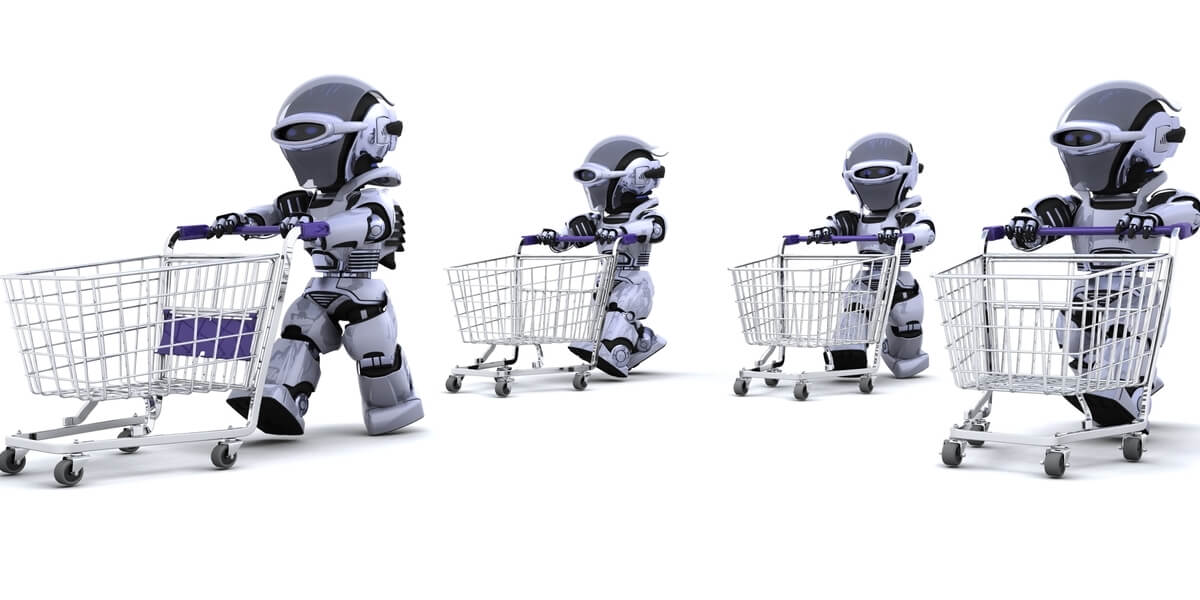
Automatyzacja procesów
Process automation is an extremely essential part of AI w e-commerce. Zaawansowane algorytmy uczenia maszynowego i robotyka pomagają w przyspieszeniu i optymalizacji wielu kluczowych działań związanych z obsługą klienta i zarządzaniem operacjami.
Przetwarzanie zamówień to jeden z obszarów, w którym automatyzacja procesów ma ogromne znaczenie. Dzięki wykorzystaniu AI, systemy mogą wykonywać zadania zarządzania zamówieniami poprzez identyfikowanie, analizowanie i przetwarzanie informacji o produktach, klientach, płatnościach i dostawach. Zautomatyzowany system może śledzić status zamówienia, informować o tym klienta, tworzyć etykiety wysyłkowe i śledzić przesyłki w czasie rzeczywistym. Wszystko to sprawia, że proces zamawiania jest całkowicie wydajny, a klienci otrzymują szybkie i dokładne informacje dotyczące swoich zamówień.
Zarządzanie zapasami to kolejny kluczowy obszar automatyzacji procesów. Sztuczna inteligencja prognozuje popyt na poszczególne produkty, biorąc pod uwagę takie czynniki, jak dane sprzedażowe, trendy rynkowe i sezonowość, a także wiele innych, i odpowiednio optymalizuje poziom zapasów. Systemy automatyczne generują zamówienia u dostawców i kontrolują stan magazynowy, monitorując czasy dostaw, aby zminimalizować ryzyko braków magazynowych. Pomoże to firmom e-commerce uniknąć nie tylko nadmiernych zapasów lub braków towarów w magazynie, ale także zapewni lepszą wydajność operacyjną i satysfakcję klienta.
Innym obszarem, w którym automatyzacja procesów wspierana przez AI może pomóc, jest przetwarzanie płatności. W przypadku systemów płatności, zaawansowana analiza ryzyka i algorytmy uczenia maszynowego działają, gdy transakcje są automatycznie analizowane pod kątem podejrzanej aktywności i oszustw. Dane klientów, historia transakcji, wzorce zachowań i wiele innych czynników są wykorzystywane do określenia poziomu ryzyka, zmniejszając ryzyko oszustw i czyniąc transakcje bezpieczniejszymi dla lepszego doświadczenia klienta.
Obsługa klienta to kolejny aspekt biznesu, w którym automatyzacja procesów odgrywa wiodącą rolę. Rozwój sztucznej inteligencji umożliwia tworzenie automatycznych systemów obsługi klienta w oparciu o technologie rozpoznawania mowy i przetwarzania języka naturalnego. Dzięki złożonym algorytmom NLP, roboty dialogowe i chatboty komunikują się z klientami w sposób bardziej interaktywny i zrozumiały.
Systemy oparte na AI identyfikują intencje klienta, analizują treść wiadomości, odpowiadają na pytania i dostarczają informacji o produktach i ofertach, rozwiązując proste problemy. Rozwiązanie zapewnia klientowi, że jego pytanie lub problem zostanie natychmiastowo rozwiązane bez czekania na interwencję pracownika obsługi klienta. Kolejnym obszarem, na który AI ma duży wpływ, jest personalizacja podczas doświadczeń zakupowych. Systemy oparte na AI przetwarzają ogromne ilości danych o zachowaniach klientów, preferencjach zakupowych, historii transakcji i wielu innych czynnikach, aby tworzyć spersonalizowane oferty i rekomendacje produktów. Na podstawie tych informacji algorytmy uczenia maszynowego analizują wzorce i gusta klientów, zanim zaoferują produkty i usługi szyte na miarę. Dzięki temu uzyskuje się trafne rekomendacje oparte na potrzebach, co zwiększa satysfakcję klienta i efektywność sprzedaży.
Innym możliwym obszarem zastosowań AI w e-commerce jest optymalizacja cen. Algorytmy uczenia maszynowego mogłyby skanować dane dotyczące cen produktów, konkurencji rynkowej, preferencji klientów i wszystkich innych czynników, a także dostosowywać ceny w czasie rzeczywistym. To z kolei zwiększyłoby już posiadane przez firmy możliwości dynamicznego zmieniania cen w odpowiedzi na zmieniające się warunki rynkowe i preferencje konsumentów. Dzięki optymalizacji cen, będziesz w stanie lepiej wycenić produkty konkurencyjnie i zmaksymalizować swój zysk dzięki rosnącej atrakcyjności dla klientów.
Sztuczna inteligencja dominuje w e-commerce, zapewniając każdemu klientowi bardzo spersonalizowane doświadczenia. Wszystkie najbardziej wyrafinowane technologie AI — rekomendacje produktów, personalizacja ofert i usług, optymalizacja cen oraz analiza zachowań klientów — wszystkie zwiększają satysfakcję i sprzedaż firm e-commerce. To AI pozwala firmom zrozumieć preferencje klientów, dostarczać trafne rekomendacje i propozycje, optymalizować ceny i automatyzować procesy. Wszystko to przynosi korzyści nie tylko firmom, ale także klientom, którzy otrzymują bardziej spersonalizowane rozwiązania zgodne z ich potrzebami i oczekiwaniami. Przyszłość e-commerce z pewnością będzie jeszcze bardziej zdominowana przez AI, otwierając nowe możliwości i rewolucjonizując sposób, w jaki ludzie robią zakupy online.
Optymalizacja cen
Kolejnym obszarem, w którym AI znajduje zastosowanie, jest optymalizacja cen. Algorytmy AI analizują szereg czynników, w tym popyt, konkurencję, trendy rynkowe i preferencje klientów, aby ustalić optymalne ceny produktów. Pomaga to firmom e-commerce zmieniać ceny w czasie rzeczywistym, aby osiągnąć maksymalny zysk i konkurencyjność. Algorytmy uczenia maszynowego mogą automatyzować korekty cen, analizując dostępne dane pod kątem ich wpływu na zachowania klientów. Innymi słowy, dzięki optymalizacji cen, firma e-commerce będzie w stanie nie tylko stosować elastyczne ceny, ale także poznawać czynniki wpływające na decyzje zakupowe klientów.
Analiza zachowań klientów
Jednym z najważniejszych aspektów AI w e-commerce jest analiza zachowań klientów. Dzięki zaawansowanej analityce danych i technikom uczenia maszynowego, firma e-commerce dowie się znacznie więcej o klientach odwiedzających witrynę, w tym o produktach, które przeglądają, czasie spędzonym na poszczególnych stronach oraz czynnikach wpływających na decyzje zakupowe. Daje to firmom możliwość zbierania bardzo przydatnych informacji w celu lepszego dostosowania oferty do potrzeb klientów.
Analiza zachowań klientów pozwala na określenie trendów i wzorców zakupowych. Z zebranych danych algorytmy AI śledzą regularne wzorce zakupów, preferencje grup klientów, sezonowe trendy i wiele innych cennych spostrzeżeń dla strategicznych decyzji biznesowych. Dzięki temu firmy e-commerce będą w stanie znacznie lepiej oceniać trendy rynkowe i dostosowywać ofertę do zmieniających się preferencji klientów, podejmując bardziej precyzyjne decyzje dotyczące asortymentu, marketingu i strategii sprzedaży.
Automatyzacja procesów
Process automation is an extremely essential part of AI w e-commerce. Zaawansowane algorytmy uczenia maszynowego i robotyka pomagają w przyspieszeniu i optymalizacji wielu kluczowych działań związanych z obsługą klienta i zarządzaniem operacjami.
Przetwarzanie zamówień to jeden z obszarów, w którym automatyzacja procesów ma ogromne znaczenie. Dzięki wykorzystaniu AI, systemy mogą wykonywać zadania zarządzania zamówieniami poprzez identyfikowanie, analizowanie i przetwarzanie informacji o produktach, klientach, płatnościach i dostawach. Zautomatyzowany system może śledzić status zamówienia, informować o tym klienta, tworzyć etykiety wysyłkowe i śledzić przesyłki w czasie rzeczywistym. Wszystko to sprawia, że proces zamawiania jest całkowicie wydajny, a klienci otrzymują szybkie i dokładne informacje dotyczące swoich zamówień.
Zarządzanie zapasami to kolejny kluczowy obszar automatyzacji procesów. Sztuczna inteligencja prognozuje popyt na poszczególne produkty, biorąc pod uwagę takie czynniki, jak dane sprzedażowe, trendy rynkowe i sezonowość, a także wiele innych, i odpowiednio optymalizuje poziom zapasów. Systemy automatyczne generują zamówienia u dostawców i kontrolują stan magazynowy, monitorując czasy dostaw, aby zminimalizować ryzyko braków magazynowych. Pomoże to firmom e-commerce uniknąć nie tylko nadmiernych zapasów lub braków towarów w magazynie, ale także zapewni lepszą wydajność operacyjną i satysfakcję klienta.
Innym obszarem, w którym automatyzacja procesów wspierana przez AI może pomóc, jest przetwarzanie płatności. W przypadku systemów płatności, zaawansowana analiza ryzyka i algorytmy uczenia maszynowego działają, gdy transakcje są automatycznie analizowane pod kątem podejrzanej aktywności i oszustw. Dane klientów, historia transakcji, wzorce zachowań i wiele innych czynników są wykorzystywane do określenia poziomu ryzyka, zmniejszając ryzyko oszustw i czyniąc transakcje bezpieczniejszymi dla lepszego doświadczenia klienta.
Obsługa klienta to kolejny aspekt biznesu, w którym automatyzacja procesów odgrywa wiodącą rolę. Rozwój sztucznej inteligencji umożliwia tworzenie automatycznych systemów obsługi klienta w oparciu o technologie rozpoznawania mowy i przetwarzania języka naturalnego. Dzięki złożonym algorytmom NLP, roboty dialogowe i chatboty komunikują się z klientami w sposób bardziej interaktywny i zrozumiały.
Systemy oparte na AI identyfikują intencje klienta, analizują treść wiadomości, odpowiadają na pytania i dostarczają informacji o produktach i ofertach, rozwiązując proste problemy. Rozwiązanie zapewnia klientowi, że jego pytanie lub problem zostanie natychmiastowo rozwiązane bez czekania na interwencję pracownika obsługi klienta. Kolejnym obszarem, na który AI ma duży wpływ, jest personalizacja podczas doświadczeń zakupowych. Systemy oparte na AI przetwarzają ogromne ilości danych o zachowaniach klientów, preferencjach zakupowych, historii transakcji i wielu innych czynnikach, aby tworzyć spersonalizowane oferty i rekomendacje produktów. Na podstawie tych informacji algorytmy uczenia maszynowego analizują wzorce i gusta klientów, zanim zaoferują produkty i usługi szyte na miarę. Dzięki temu uzyskuje się trafne rekomendacje oparte na potrzebach, co zwiększa satysfakcję klienta i efektywność sprzedaży.
Innym możliwym obszarem zastosowań AI w e-commerce jest optymalizacja cen. Algorytmy uczenia maszynowego mogłyby skanować dane dotyczące cen produktów, konkurencji rynkowej, preferencji klientów i wszystkich innych czynników, a także dostosowywać ceny w czasie rzeczywistym. To z kolei zwiększyłoby już posiadane przez firmy możliwości dynamicznego zmieniania cen w odpowiedzi na zmieniające się warunki rynkowe i preferencje konsumentów. Dzięki optymalizacji cen, będziesz w stanie lepiej wycenić produkty konkurencyjnie i zmaksymalizować swój zysk dzięki rosnącej atrakcyjności dla klientów.
Sztuczna inteligencja dominuje w e-commerce, zapewniając każdemu klientowi bardzo spersonalizowane doświadczenia. Wszystkie najbardziej wyrafinowane technologie AI — rekomendacje produktów, personalizacja ofert i usług, optymalizacja cen oraz analiza zachowań klientów — wszystkie zwiększają satysfakcję i sprzedaż firm e-commerce. To AI pozwala firmom zrozumieć preferencje klientów, dostarczać trafne rekomendacje i propozycje, optymalizować ceny i automatyzować procesy. Wszystko to przynosi korzyści nie tylko firmom, ale także klientom, którzy otrzymują bardziej spersonalizowane rozwiązania zgodne z ich potrzebami i oczekiwaniami. Przyszłość e-commerce z pewnością będzie jeszcze bardziej zdominowana przez AI, otwierając nowe możliwości i rewolucjonizując sposób, w jaki ludzie robią zakupy online.
Personalizacja ofert i usług
Drugim kluczowym obszarem zastosowania AI w e-commerce jest personalizacja ofert i usług. Algorytmy uczenia maszynowego analizują dane klientów dotyczące preferencji, historii zakupów, danych demograficznych i zachowań na stronie internetowej, aby indywidualizować oferty i usługi dla każdego klienta. Na przykład, systemy personalizacji mogą indywidualizować stronę główną sklepu internetowego dla każdego klienta, a nawet polecać odpowiednie produkty i osobiście dopasowane kody rabatowe. Dzięki temu klient czuje większe zainteresowanie ze strony firmy i wierzy, że oferta odpowiada jego potrzebom.
Optymalizacja cen
Kolejnym obszarem, w którym AI znajduje zastosowanie, jest optymalizacja cen. Algorytmy AI analizują szereg czynników, w tym popyt, konkurencję, trendy rynkowe i preferencje klientów, aby ustalić optymalne ceny produktów. Pomaga to firmom e-commerce zmieniać ceny w czasie rzeczywistym, aby osiągnąć maksymalny zysk i konkurencyjność. Algorytmy uczenia maszynowego mogą automatyzować korekty cen, analizując dostępne dane pod kątem ich wpływu na zachowania klientów. Innymi słowy, dzięki optymalizacji cen, firma e-commerce będzie w stanie nie tylko stosować elastyczne ceny, ale także poznawać czynniki wpływające na decyzje zakupowe klientów.
Analiza zachowań klientów
Jednym z najważniejszych aspektów AI w e-commerce jest analiza zachowań klientów. Dzięki zaawansowanej analityce danych i technikom uczenia maszynowego, firma e-commerce dowie się znacznie więcej o klientach odwiedzających witrynę, w tym o produktach, które przeglądają, czasie spędzonym na poszczególnych stronach oraz czynnikach wpływających na decyzje zakupowe. Daje to firmom możliwość zbierania bardzo przydatnych informacji w celu lepszego dostosowania oferty do potrzeb klientów.
Analiza zachowań klientów pozwala na określenie trendów i wzorców zakupowych. Z zebranych danych algorytmy AI śledzą regularne wzorce zakupów, preferencje grup klientów, sezonowe trendy i wiele innych cennych spostrzeżeń dla strategicznych decyzji biznesowych. Dzięki temu firmy e-commerce będą w stanie znacznie lepiej oceniać trendy rynkowe i dostosowywać ofertę do zmieniających się preferencji klientów, podejmując bardziej precyzyjne decyzje dotyczące asortymentu, marketingu i strategii sprzedaży.
Automatyzacja procesów
Process automation is an extremely essential part of AI w e-commerce. Zaawansowane algorytmy uczenia maszynowego i robotyka pomagają w przyspieszeniu i optymalizacji wielu kluczowych działań związanych z obsługą klienta i zarządzaniem operacjami.
Przetwarzanie zamówień to jeden z obszarów, w którym automatyzacja procesów ma ogromne znaczenie. Dzięki wykorzystaniu AI, systemy mogą wykonywać zadania zarządzania zamówieniami poprzez identyfikowanie, analizowanie i przetwarzanie informacji o produktach, klientach, płatnościach i dostawach. Zautomatyzowany system może śledzić status zamówienia, informować o tym klienta, tworzyć etykiety wysyłkowe i śledzić przesyłki w czasie rzeczywistym. Wszystko to sprawia, że proces zamawiania jest całkowicie wydajny, a klienci otrzymują szybkie i dokładne informacje dotyczące swoich zamówień.
Zarządzanie zapasami to kolejny kluczowy obszar automatyzacji procesów. Sztuczna inteligencja prognozuje popyt na poszczególne produkty, biorąc pod uwagę takie czynniki, jak dane sprzedażowe, trendy rynkowe i sezonowość, a także wiele innych, i odpowiednio optymalizuje poziom zapasów. Systemy automatyczne generują zamówienia u dostawców i kontrolują stan magazynowy, monitorując czasy dostaw, aby zminimalizować ryzyko braków magazynowych. Pomoże to firmom e-commerce uniknąć nie tylko nadmiernych zapasów lub braków towarów w magazynie, ale także zapewni lepszą wydajność operacyjną i satysfakcję klienta.
Innym obszarem, w którym automatyzacja procesów wspierana przez AI może pomóc, jest przetwarzanie płatności. W przypadku systemów płatności, zaawansowana analiza ryzyka i algorytmy uczenia maszynowego działają, gdy transakcje są automatycznie analizowane pod kątem podejrzanej aktywności i oszustw. Dane klientów, historia transakcji, wzorce zachowań i wiele innych czynników są wykorzystywane do określenia poziomu ryzyka, zmniejszając ryzyko oszustw i czyniąc transakcje bezpieczniejszymi dla lepszego doświadczenia klienta.
Obsługa klienta to kolejny aspekt biznesu, w którym automatyzacja procesów odgrywa wiodącą rolę. Rozwój sztucznej inteligencji umożliwia tworzenie automatycznych systemów obsługi klienta w oparciu o technologie rozpoznawania mowy i przetwarzania języka naturalnego. Dzięki złożonym algorytmom NLP, roboty dialogowe i chatboty komunikują się z klientami w sposób bardziej interaktywny i zrozumiały.
Systemy oparte na AI identyfikują intencje klienta, analizują treść wiadomości, odpowiadają na pytania i dostarczają informacji o produktach i ofertach, rozwiązując proste problemy. Rozwiązanie zapewnia klientowi, że jego pytanie lub problem zostanie natychmiastowo rozwiązane bez czekania na interwencję pracownika obsługi klienta. Kolejnym obszarem, na który AI ma duży wpływ, jest personalizacja podczas doświadczeń zakupowych. Systemy oparte na AI przetwarzają ogromne ilości danych o zachowaniach klientów, preferencjach zakupowych, historii transakcji i wielu innych czynnikach, aby tworzyć spersonalizowane oferty i rekomendacje produktów. Na podstawie tych informacji algorytmy uczenia maszynowego analizują wzorce i gusta klientów, zanim zaoferują produkty i usługi szyte na miarę. Dzięki temu uzyskuje się trafne rekomendacje oparte na potrzebach, co zwiększa satysfakcję klienta i efektywność sprzedaży.
Innym możliwym obszarem zastosowań AI w e-commerce jest optymalizacja cen. Algorytmy uczenia maszynowego mogłyby skanować dane dotyczące cen produktów, konkurencji rynkowej, preferencji klientów i wszystkich innych czynników, a także dostosowywać ceny w czasie rzeczywistym. To z kolei zwiększyłoby już posiadane przez firmy możliwości dynamicznego zmieniania cen w odpowiedzi na zmieniające się warunki rynkowe i preferencje konsumentów. Dzięki optymalizacji cen, będziesz w stanie lepiej wycenić produkty konkurencyjnie i zmaksymalizować swój zysk dzięki rosnącej atrakcyjności dla klientów.
Sztuczna inteligencja dominuje w e-commerce, zapewniając każdemu klientowi bardzo spersonalizowane doświadczenia. Wszystkie najbardziej wyrafinowane technologie AI — rekomendacje produktów, personalizacja ofert i usług, optymalizacja cen oraz analiza zachowań klientów — wszystkie zwiększają satysfakcję i sprzedaż firm e-commerce. To AI pozwala firmom zrozumieć preferencje klientów, dostarczać trafne rekomendacje i propozycje, optymalizować ceny i automatyzować procesy. Wszystko to przynosi korzyści nie tylko firmom, ale także klientom, którzy otrzymują bardziej spersonalizowane rozwiązania zgodne z ich potrzebami i oczekiwaniami. Przyszłość e-commerce z pewnością będzie jeszcze bardziej zdominowana przez AI, otwierając nowe możliwości i rewolucjonizując sposób, w jaki ludzie robią zakupy online.
Artificial intelligence is majorly applied in e-commerce for product recommendation. The uczenia maszynowego uczą się preferencji i zainteresowań klientów z analizy danych dotyczących zachowań klientów, które obejmują historię zakupów, przeglądane produkty i oceny. Systemy rekomendacji będą w stanie zaoferować klientowi produkty najbardziej dla niego odpowiednie, zwiększając tym samym szanse na dokonanie zakupu dzięki spersonalizowanym sugestiom produktów, co zwiększy lojalność wobec marki.
Personalizacja ofert i usług
Drugim kluczowym obszarem zastosowania AI w e-commerce jest personalizacja ofert i usług. Algorytmy uczenia maszynowego analizują dane klientów dotyczące preferencji, historii zakupów, danych demograficznych i zachowań na stronie internetowej, aby indywidualizować oferty i usługi dla każdego klienta. Na przykład, systemy personalizacji mogą indywidualizować stronę główną sklepu internetowego dla każdego klienta, a nawet polecać odpowiednie produkty i osobiście dopasowane kody rabatowe. Dzięki temu klient czuje większe zainteresowanie ze strony firmy i wierzy, że oferta odpowiada jego potrzebom.
Optymalizacja cen
Kolejnym obszarem, w którym AI znajduje zastosowanie, jest optymalizacja cen. Algorytmy AI analizują szereg czynników, w tym popyt, konkurencję, trendy rynkowe i preferencje klientów, aby ustalić optymalne ceny produktów. Pomaga to firmom e-commerce zmieniać ceny w czasie rzeczywistym, aby osiągnąć maksymalny zysk i konkurencyjność. Algorytmy uczenia maszynowego mogą automatyzować korekty cen, analizując dostępne dane pod kątem ich wpływu na zachowania klientów. Innymi słowy, dzięki optymalizacji cen, firma e-commerce będzie w stanie nie tylko stosować elastyczne ceny, ale także poznawać czynniki wpływające na decyzje zakupowe klientów.
Analiza zachowań klientów
Jednym z najważniejszych aspektów AI w e-commerce jest analiza zachowań klientów. Dzięki zaawansowanej analityce danych i technikom uczenia maszynowego, firma e-commerce dowie się znacznie więcej o klientach odwiedzających witrynę, w tym o produktach, które przeglądają, czasie spędzonym na poszczególnych stronach oraz czynnikach wpływających na decyzje zakupowe. Daje to firmom możliwość zbierania bardzo przydatnych informacji w celu lepszego dostosowania oferty do potrzeb klientów.
Analiza zachowań klientów pozwala na określenie trendów i wzorców zakupowych. Z zebranych danych algorytmy AI śledzą regularne wzorce zakupów, preferencje grup klientów, sezonowe trendy i wiele innych cennych spostrzeżeń dla strategicznych decyzji biznesowych. Dzięki temu firmy e-commerce będą w stanie znacznie lepiej oceniać trendy rynkowe i dostosowywać ofertę do zmieniających się preferencji klientów, podejmując bardziej precyzyjne decyzje dotyczące asortymentu, marketingu i strategii sprzedaży.
Automatyzacja procesów
Process automation is an extremely essential part of AI w e-commerce. Zaawansowane algorytmy uczenia maszynowego i robotyka pomagają w przyspieszeniu i optymalizacji wielu kluczowych działań związanych z obsługą klienta i zarządzaniem operacjami.
Przetwarzanie zamówień to jeden z obszarów, w którym automatyzacja procesów ma ogromne znaczenie. Dzięki wykorzystaniu AI, systemy mogą wykonywać zadania zarządzania zamówieniami poprzez identyfikowanie, analizowanie i przetwarzanie informacji o produktach, klientach, płatnościach i dostawach. Zautomatyzowany system może śledzić status zamówienia, informować o tym klienta, tworzyć etykiety wysyłkowe i śledzić przesyłki w czasie rzeczywistym. Wszystko to sprawia, że proces zamawiania jest całkowicie wydajny, a klienci otrzymują szybkie i dokładne informacje dotyczące swoich zamówień.
Zarządzanie zapasami to kolejny kluczowy obszar automatyzacji procesów. Sztuczna inteligencja prognozuje popyt na poszczególne produkty, biorąc pod uwagę takie czynniki, jak dane sprzedażowe, trendy rynkowe i sezonowość, a także wiele innych, i odpowiednio optymalizuje poziom zapasów. Systemy automatyczne generują zamówienia u dostawców i kontrolują stan magazynowy, monitorując czasy dostaw, aby zminimalizować ryzyko braków magazynowych. Pomoże to firmom e-commerce uniknąć nie tylko nadmiernych zapasów lub braków towarów w magazynie, ale także zapewni lepszą wydajność operacyjną i satysfakcję klienta.
Innym obszarem, w którym automatyzacja procesów wspierana przez AI może pomóc, jest przetwarzanie płatności. W przypadku systemów płatności, zaawansowana analiza ryzyka i algorytmy uczenia maszynowego działają, gdy transakcje są automatycznie analizowane pod kątem podejrzanej aktywności i oszustw. Dane klientów, historia transakcji, wzorce zachowań i wiele innych czynników są wykorzystywane do określenia poziomu ryzyka, zmniejszając ryzyko oszustw i czyniąc transakcje bezpieczniejszymi dla lepszego doświadczenia klienta.
Obsługa klienta to kolejny aspekt biznesu, w którym automatyzacja procesów odgrywa wiodącą rolę. Rozwój sztucznej inteligencji umożliwia tworzenie automatycznych systemów obsługi klienta w oparciu o technologie rozpoznawania mowy i przetwarzania języka naturalnego. Dzięki złożonym algorytmom NLP, roboty dialogowe i chatboty komunikują się z klientami w sposób bardziej interaktywny i zrozumiały.
Systemy oparte na AI identyfikują intencje klienta, analizują treść wiadomości, odpowiadają na pytania i dostarczają informacji o produktach i ofertach, rozwiązując proste problemy. Rozwiązanie zapewnia klientowi, że jego pytanie lub problem zostanie natychmiastowo rozwiązane bez czekania na interwencję pracownika obsługi klienta. Kolejnym obszarem, na który AI ma duży wpływ, jest personalizacja podczas doświadczeń zakupowych. Systemy oparte na AI przetwarzają ogromne ilości danych o zachowaniach klientów, preferencjach zakupowych, historii transakcji i wielu innych czynnikach, aby tworzyć spersonalizowane oferty i rekomendacje produktów. Na podstawie tych informacji algorytmy uczenia maszynowego analizują wzorce i gusta klientów, zanim zaoferują produkty i usługi szyte na miarę. Dzięki temu uzyskuje się trafne rekomendacje oparte na potrzebach, co zwiększa satysfakcję klienta i efektywność sprzedaży.
Innym możliwym obszarem zastosowań AI w e-commerce jest optymalizacja cen. Algorytmy uczenia maszynowego mogłyby skanować dane dotyczące cen produktów, konkurencji rynkowej, preferencji klientów i wszystkich innych czynników, a także dostosowywać ceny w czasie rzeczywistym. To z kolei zwiększyłoby już posiadane przez firmy możliwości dynamicznego zmieniania cen w odpowiedzi na zmieniające się warunki rynkowe i preferencje konsumentów. Dzięki optymalizacji cen, będziesz w stanie lepiej wycenić produkty konkurencyjnie i zmaksymalizować swój zysk dzięki rosnącej atrakcyjności dla klientów.
Sztuczna inteligencja dominuje w e-commerce, zapewniając każdemu klientowi bardzo spersonalizowane doświadczenia. Wszystkie najbardziej wyrafinowane technologie AI — rekomendacje produktów, personalizacja ofert i usług, optymalizacja cen oraz analiza zachowań klientów — wszystkie zwiększają satysfakcję i sprzedaż firm e-commerce. To AI pozwala firmom zrozumieć preferencje klientów, dostarczać trafne rekomendacje i propozycje, optymalizować ceny i automatyzować procesy. Wszystko to przynosi korzyści nie tylko firmom, ale także klientom, którzy otrzymują bardziej spersonalizowane rozwiązania zgodne z ich potrzebami i oczekiwaniami. Przyszłość e-commerce z pewnością będzie jeszcze bardziej zdominowana przez AI, otwierając nowe możliwości i rewolucjonizując sposób, w jaki ludzie robią zakupy online.
Generowanie rekomendacji
Artificial intelligence is majorly applied in e-commerce for product recommendation. The uczenia maszynowego uczą się preferencji i zainteresowań klientów z analizy danych dotyczących zachowań klientów, które obejmują historię zakupów, przeglądane produkty i oceny. Systemy rekomendacji będą w stanie zaoferować klientowi produkty najbardziej dla niego odpowiednie, zwiększając tym samym szanse na dokonanie zakupu dzięki spersonalizowanym sugestiom produktów, co zwiększy lojalność wobec marki.
Personalizacja ofert i usług
Drugim kluczowym obszarem zastosowania AI w e-commerce jest personalizacja ofert i usług. Algorytmy uczenia maszynowego analizują dane klientów dotyczące preferencji, historii zakupów, danych demograficznych i zachowań na stronie internetowej, aby indywidualizować oferty i usługi dla każdego klienta. Na przykład, systemy personalizacji mogą indywidualizować stronę główną sklepu internetowego dla każdego klienta, a nawet polecać odpowiednie produkty i osobiście dopasowane kody rabatowe. Dzięki temu klient czuje większe zainteresowanie ze strony firmy i wierzy, że oferta odpowiada jego potrzebom.
Optymalizacja cen
Kolejnym obszarem, w którym AI znajduje zastosowanie, jest optymalizacja cen. Algorytmy AI analizują szereg czynników, w tym popyt, konkurencję, trendy rynkowe i preferencje klientów, aby ustalić optymalne ceny produktów. Pomaga to firmom e-commerce zmieniać ceny w czasie rzeczywistym, aby osiągnąć maksymalny zysk i konkurencyjność. Algorytmy uczenia maszynowego mogą automatyzować korekty cen, analizując dostępne dane pod kątem ich wpływu na zachowania klientów. Innymi słowy, dzięki optymalizacji cen, firma e-commerce będzie w stanie nie tylko stosować elastyczne ceny, ale także poznawać czynniki wpływające na decyzje zakupowe klientów.
Analiza zachowań klientów
Jednym z najważniejszych aspektów AI w e-commerce jest analiza zachowań klientów. Dzięki zaawansowanej analityce danych i technikom uczenia maszynowego, firma e-commerce dowie się znacznie więcej o klientach odwiedzających witrynę, w tym o produktach, które przeglądają, czasie spędzonym na poszczególnych stronach oraz czynnikach wpływających na decyzje zakupowe. Daje to firmom możliwość zbierania bardzo przydatnych informacji w celu lepszego dostosowania oferty do potrzeb klientów.
Analiza zachowań klientów pozwala na określenie trendów i wzorców zakupowych. Z zebranych danych algorytmy AI śledzą regularne wzorce zakupów, preferencje grup klientów, sezonowe trendy i wiele innych cennych spostrzeżeń dla strategicznych decyzji biznesowych. Dzięki temu firmy e-commerce będą w stanie znacznie lepiej oceniać trendy rynkowe i dostosowywać ofertę do zmieniających się preferencji klientów, podejmując bardziej precyzyjne decyzje dotyczące asortymentu, marketingu i strategii sprzedaży.
Automatyzacja procesów
Process automation is an extremely essential part of AI w e-commerce. Zaawansowane algorytmy uczenia maszynowego i robotyka pomagają w przyspieszeniu i optymalizacji wielu kluczowych działań związanych z obsługą klienta i zarządzaniem operacjami.
Przetwarzanie zamówień to jeden z obszarów, w którym automatyzacja procesów ma ogromne znaczenie. Dzięki wykorzystaniu AI, systemy mogą wykonywać zadania zarządzania zamówieniami poprzez identyfikowanie, analizowanie i przetwarzanie informacji o produktach, klientach, płatnościach i dostawach. Zautomatyzowany system może śledzić status zamówienia, informować o tym klienta, tworzyć etykiety wysyłkowe i śledzić przesyłki w czasie rzeczywistym. Wszystko to sprawia, że proces zamawiania jest całkowicie wydajny, a klienci otrzymują szybkie i dokładne informacje dotyczące swoich zamówień.
Zarządzanie zapasami to kolejny kluczowy obszar automatyzacji procesów. Sztuczna inteligencja prognozuje popyt na poszczególne produkty, biorąc pod uwagę takie czynniki, jak dane sprzedażowe, trendy rynkowe i sezonowość, a także wiele innych, i odpowiednio optymalizuje poziom zapasów. Systemy automatyczne generują zamówienia u dostawców i kontrolują stan magazynowy, monitorując czasy dostaw, aby zminimalizować ryzyko braków magazynowych. Pomoże to firmom e-commerce uniknąć nie tylko nadmiernych zapasów lub braków towarów w magazynie, ale także zapewni lepszą wydajność operacyjną i satysfakcję klienta.
Innym obszarem, w którym automatyzacja procesów wspierana przez AI może pomóc, jest przetwarzanie płatności. W przypadku systemów płatności, zaawansowana analiza ryzyka i algorytmy uczenia maszynowego działają, gdy transakcje są automatycznie analizowane pod kątem podejrzanej aktywności i oszustw. Dane klientów, historia transakcji, wzorce zachowań i wiele innych czynników są wykorzystywane do określenia poziomu ryzyka, zmniejszając ryzyko oszustw i czyniąc transakcje bezpieczniejszymi dla lepszego doświadczenia klienta.
Obsługa klienta to kolejny aspekt biznesu, w którym automatyzacja procesów odgrywa wiodącą rolę. Rozwój sztucznej inteligencji umożliwia tworzenie automatycznych systemów obsługi klienta w oparciu o technologie rozpoznawania mowy i przetwarzania języka naturalnego. Dzięki złożonym algorytmom NLP, roboty dialogowe i chatboty komunikują się z klientami w sposób bardziej interaktywny i zrozumiały.
Systemy oparte na AI identyfikują intencje klienta, analizują treść wiadomości, odpowiadają na pytania i dostarczają informacji o produktach i ofertach, rozwiązując proste problemy. Rozwiązanie zapewnia klientowi, że jego pytanie lub problem zostanie natychmiastowo rozwiązane bez czekania na interwencję pracownika obsługi klienta. Kolejnym obszarem, na który AI ma duży wpływ, jest personalizacja podczas doświadczeń zakupowych. Systemy oparte na AI przetwarzają ogromne ilości danych o zachowaniach klientów, preferencjach zakupowych, historii transakcji i wielu innych czynnikach, aby tworzyć spersonalizowane oferty i rekomendacje produktów. Na podstawie tych informacji algorytmy uczenia maszynowego analizują wzorce i gusta klientów, zanim zaoferują produkty i usługi szyte na miarę. Dzięki temu uzyskuje się trafne rekomendacje oparte na potrzebach, co zwiększa satysfakcję klienta i efektywność sprzedaży.
Innym możliwym obszarem zastosowań AI w e-commerce jest optymalizacja cen. Algorytmy uczenia maszynowego mogłyby skanować dane dotyczące cen produktów, konkurencji rynkowej, preferencji klientów i wszystkich innych czynników, a także dostosowywać ceny w czasie rzeczywistym. To z kolei zwiększyłoby już posiadane przez firmy możliwości dynamicznego zmieniania cen w odpowiedzi na zmieniające się warunki rynkowe i preferencje konsumentów. Dzięki optymalizacji cen, będziesz w stanie lepiej wycenić produkty konkurencyjnie i zmaksymalizować swój zysk dzięki rosnącej atrakcyjności dla klientów.
Sztuczna inteligencja dominuje w e-commerce, zapewniając każdemu klientowi bardzo spersonalizowane doświadczenia. Wszystkie najbardziej wyrafinowane technologie AI — rekomendacje produktów, personalizacja ofert i usług, optymalizacja cen oraz analiza zachowań klientów — wszystkie zwiększają satysfakcję i sprzedaż firm e-commerce. To AI pozwala firmom zrozumieć preferencje klientów, dostarczać trafne rekomendacje i propozycje, optymalizować ceny i automatyzować procesy. Wszystko to przynosi korzyści nie tylko firmom, ale także klientom, którzy otrzymują bardziej spersonalizowane rozwiązania zgodne z ich potrzebami i oczekiwaniami. Przyszłość e-commerce z pewnością będzie jeszcze bardziej zdominowana przez AI, otwierając nowe możliwości i rewolucjonizując sposób, w jaki ludzie robią zakupy online.
Sztuczna inteligencja jest coraz częściej stosowana w e-commerce, próbując wspierać personalizację doświadczeń zakupowych klientów. Lepsze zrozumienie preferencji klientów, zaawansowane technologie AI mogą zaoferować znacznie bardziej spersonalizowane doświadczenia dzięki rekomendacji produktów i optymalizacji cen dla firm e-commerce. Ten artykuł omawia główne sposoby wykorzystania AI w e-commerce, które pomagają zwiększyć satysfakcję klientów i zwiększyć sprzedaż.
Generowanie rekomendacji
Artificial intelligence is majorly applied in e-commerce for product recommendation. The uczenia maszynowego uczą się preferencji i zainteresowań klientów z analizy danych dotyczących zachowań klientów, które obejmują historię zakupów, przeglądane produkty i oceny. Systemy rekomendacji będą w stanie zaoferować klientowi produkty najbardziej dla niego odpowiednie, zwiększając tym samym szanse na dokonanie zakupu dzięki spersonalizowanym sugestiom produktów, co zwiększy lojalność wobec marki.
Personalizacja ofert i usług
Drugim kluczowym obszarem zastosowania AI w e-commerce jest personalizacja ofert i usług. Algorytmy uczenia maszynowego analizują dane klientów dotyczące preferencji, historii zakupów, danych demograficznych i zachowań na stronie internetowej, aby indywidualizować oferty i usługi dla każdego klienta. Na przykład, systemy personalizacji mogą indywidualizować stronę główną sklepu internetowego dla każdego klienta, a nawet polecać odpowiednie produkty i osobiście dopasowane kody rabatowe. Dzięki temu klient czuje większe zainteresowanie ze strony firmy i wierzy, że oferta odpowiada jego potrzebom.
Optymalizacja cen
Kolejnym obszarem, w którym AI znajduje zastosowanie, jest optymalizacja cen. Algorytmy AI analizują szereg czynników, w tym popyt, konkurencję, trendy rynkowe i preferencje klientów, aby ustalić optymalne ceny produktów. Pomaga to firmom e-commerce zmieniać ceny w czasie rzeczywistym, aby osiągnąć maksymalny zysk i konkurencyjność. Algorytmy uczenia maszynowego mogą automatyzować korekty cen, analizując dostępne dane pod kątem ich wpływu na zachowania klientów. Innymi słowy, dzięki optymalizacji cen, firma e-commerce będzie w stanie nie tylko stosować elastyczne ceny, ale także poznawać czynniki wpływające na decyzje zakupowe klientów.
Analiza zachowań klientów
Jednym z najważniejszych aspektów AI w e-commerce jest analiza zachowań klientów. Dzięki zaawansowanej analityce danych i technikom uczenia maszynowego, firma e-commerce dowie się znacznie więcej o klientach odwiedzających witrynę, w tym o produktach, które przeglądają, czasie spędzonym na poszczególnych stronach oraz czynnikach wpływających na decyzje zakupowe. Daje to firmom możliwość zbierania bardzo przydatnych informacji w celu lepszego dostosowania oferty do potrzeb klientów.
Analiza zachowań klientów pozwala na określenie trendów i wzorców zakupowych. Z zebranych danych algorytmy AI śledzą regularne wzorce zakupów, preferencje grup klientów, sezonowe trendy i wiele innych cennych spostrzeżeń dla strategicznych decyzji biznesowych. Dzięki temu firmy e-commerce będą w stanie znacznie lepiej oceniać trendy rynkowe i dostosowywać ofertę do zmieniających się preferencji klientów, podejmując bardziej precyzyjne decyzje dotyczące asortymentu, marketingu i strategii sprzedaży.
Automatyzacja procesów
Process automation is an extremely essential part of AI w e-commerce. Zaawansowane algorytmy uczenia maszynowego i robotyka pomagają w przyspieszeniu i optymalizacji wielu kluczowych działań związanych z obsługą klienta i zarządzaniem operacjami.
Przetwarzanie zamówień to jeden z obszarów, w którym automatyzacja procesów ma ogromne znaczenie. Dzięki wykorzystaniu AI, systemy mogą wykonywać zadania zarządzania zamówieniami poprzez identyfikowanie, analizowanie i przetwarzanie informacji o produktach, klientach, płatnościach i dostawach. Zautomatyzowany system może śledzić status zamówienia, informować o tym klienta, tworzyć etykiety wysyłkowe i śledzić przesyłki w czasie rzeczywistym. Wszystko to sprawia, że proces zamawiania jest całkowicie wydajny, a klienci otrzymują szybkie i dokładne informacje dotyczące swoich zamówień.
Zarządzanie zapasami to kolejny kluczowy obszar automatyzacji procesów. Sztuczna inteligencja prognozuje popyt na poszczególne produkty, biorąc pod uwagę takie czynniki, jak dane sprzedażowe, trendy rynkowe i sezonowość, a także wiele innych, i odpowiednio optymalizuje poziom zapasów. Systemy automatyczne generują zamówienia u dostawców i kontrolują stan magazynowy, monitorując czasy dostaw, aby zminimalizować ryzyko braków magazynowych. Pomoże to firmom e-commerce uniknąć nie tylko nadmiernych zapasów lub braków towarów w magazynie, ale także zapewni lepszą wydajność operacyjną i satysfakcję klienta.
Innym obszarem, w którym automatyzacja procesów wspierana przez AI może pomóc, jest przetwarzanie płatności. W przypadku systemów płatności, zaawansowana analiza ryzyka i algorytmy uczenia maszynowego działają, gdy transakcje są automatycznie analizowane pod kątem podejrzanej aktywności i oszustw. Dane klientów, historia transakcji, wzorce zachowań i wiele innych czynników są wykorzystywane do określenia poziomu ryzyka, zmniejszając ryzyko oszustw i czyniąc transakcje bezpieczniejszymi dla lepszego doświadczenia klienta.
Obsługa klienta to kolejny aspekt biznesu, w którym automatyzacja procesów odgrywa wiodącą rolę. Rozwój sztucznej inteligencji umożliwia tworzenie automatycznych systemów obsługi klienta w oparciu o technologie rozpoznawania mowy i przetwarzania języka naturalnego. Dzięki złożonym algorytmom NLP, roboty dialogowe i chatboty komunikują się z klientami w sposób bardziej interaktywny i zrozumiały.
Systemy oparte na AI identyfikują intencje klienta, analizują treść wiadomości, odpowiadają na pytania i dostarczają informacji o produktach i ofertach, rozwiązując proste problemy. Rozwiązanie zapewnia klientowi, że jego pytanie lub problem zostanie natychmiastowo rozwiązane bez czekania na interwencję pracownika obsługi klienta. Kolejnym obszarem, na który AI ma duży wpływ, jest personalizacja podczas doświadczeń zakupowych. Systemy oparte na AI przetwarzają ogromne ilości danych o zachowaniach klientów, preferencjach zakupowych, historii transakcji i wielu innych czynnikach, aby tworzyć spersonalizowane oferty i rekomendacje produktów. Na podstawie tych informacji algorytmy uczenia maszynowego analizują wzorce i gusta klientów, zanim zaoferują produkty i usługi szyte na miarę. Dzięki temu uzyskuje się trafne rekomendacje oparte na potrzebach, co zwiększa satysfakcję klienta i efektywność sprzedaży.
Innym możliwym obszarem zastosowań AI w e-commerce jest optymalizacja cen. Algorytmy uczenia maszynowego mogłyby skanować dane dotyczące cen produktów, konkurencji rynkowej, preferencji klientów i wszystkich innych czynników, a także dostosowywać ceny w czasie rzeczywistym. To z kolei zwiększyłoby już posiadane przez firmy możliwości dynamicznego zmieniania cen w odpowiedzi na zmieniające się warunki rynkowe i preferencje konsumentów. Dzięki optymalizacji cen, będziesz w stanie lepiej wycenić produkty konkurencyjnie i zmaksymalizować swój zysk dzięki rosnącej atrakcyjności dla klientów.
Sztuczna inteligencja dominuje w e-commerce, zapewniając każdemu klientowi bardzo spersonalizowane doświadczenia. Wszystkie najbardziej wyrafinowane technologie AI — rekomendacje produktów, personalizacja ofert i usług, optymalizacja cen oraz analiza zachowań klientów — wszystkie zwiększają satysfakcję i sprzedaż firm e-commerce. To AI pozwala firmom zrozumieć preferencje klientów, dostarczać trafne rekomendacje i propozycje, optymalizować ceny i automatyzować procesy. Wszystko to przynosi korzyści nie tylko firmom, ale także klientom, którzy otrzymują bardziej spersonalizowane rozwiązania zgodne z ich potrzebami i oczekiwaniami. Przyszłość e-commerce z pewnością będzie jeszcze bardziej zdominowana przez AI, otwierając nowe możliwości i rewolucjonizując sposób, w jaki ludzie robią zakupy online.
Sztuczna inteligencja jest coraz częściej stosowana w e-commerce, próbując wspierać personalizację doświadczeń zakupowych klientów. Lepsze zrozumienie preferencji klientów, zaawansowane technologie AI mogą zaoferować znacznie bardziej spersonalizowane doświadczenia dzięki rekomendacji produktów i optymalizacji cen dla firm e-commerce. Ten artykuł omawia główne sposoby wykorzystania AI w e-commerce, które pomagają zwiększyć satysfakcję klientów i zwiększyć sprzedaż.
Generowanie rekomendacji
Artificial intelligence is majorly applied in e-commerce for product recommendation. The uczenia maszynowego uczą się preferencji i zainteresowań klientów z analizy danych dotyczących zachowań klientów, które obejmują historię zakupów, przeglądane produkty i oceny. Systemy rekomendacji będą w stanie zaoferować klientowi produkty najbardziej dla niego odpowiednie, zwiększając tym samym szanse na dokonanie zakupu dzięki spersonalizowanym sugestiom produktów, co zwiększy lojalność wobec marki.
Personalizacja ofert i usług
Drugim kluczowym obszarem zastosowania AI w e-commerce jest personalizacja ofert i usług. Algorytmy uczenia maszynowego analizują dane klientów dotyczące preferencji, historii zakupów, danych demograficznych i zachowań na stronie internetowej, aby indywidualizować oferty i usługi dla każdego klienta. Na przykład, systemy personalizacji mogą indywidualizować stronę główną sklepu internetowego dla każdego klienta, a nawet polecać odpowiednie produkty i osobiście dopasowane kody rabatowe. Dzięki temu klient czuje większe zainteresowanie ze strony firmy i wierzy, że oferta odpowiada jego potrzebom.
Optymalizacja cen
Kolejnym obszarem, w którym AI znajduje zastosowanie, jest optymalizacja cen. Algorytmy AI analizują szereg czynników, w tym popyt, konkurencję, trendy rynkowe i preferencje klientów, aby ustalić optymalne ceny produktów. Pomaga to firmom e-commerce zmieniać ceny w czasie rzeczywistym, aby osiągnąć maksymalny zysk i konkurencyjność. Algorytmy uczenia maszynowego mogą automatyzować korekty cen, analizując dostępne dane pod kątem ich wpływu na zachowania klientów. Innymi słowy, dzięki optymalizacji cen, firma e-commerce będzie w stanie nie tylko stosować elastyczne ceny, ale także poznawać czynniki wpływające na decyzje zakupowe klientów.
Analiza zachowań klientów
Jednym z najważniejszych aspektów AI w e-commerce jest analiza zachowań klientów. Dzięki zaawansowanej analityce danych i technikom uczenia maszynowego, firma e-commerce dowie się znacznie więcej o klientach odwiedzających witrynę, w tym o produktach, które przeglądają, czasie spędzonym na poszczególnych stronach oraz czynnikach wpływających na decyzje zakupowe. Daje to firmom możliwość zbierania bardzo przydatnych informacji w celu lepszego dostosowania oferty do potrzeb klientów.
Analiza zachowań klientów pozwala na określenie trendów i wzorców zakupowych. Z zebranych danych algorytmy AI śledzą regularne wzorce zakupów, preferencje grup klientów, sezonowe trendy i wiele innych cennych spostrzeżeń dla strategicznych decyzji biznesowych. Dzięki temu firmy e-commerce będą w stanie znacznie lepiej oceniać trendy rynkowe i dostosowywać ofertę do zmieniających się preferencji klientów, podejmując bardziej precyzyjne decyzje dotyczące asortymentu, marketingu i strategii sprzedaży.
Automatyzacja procesów
Process automation is an extremely essential part of AI w e-commerce. Zaawansowane algorytmy uczenia maszynowego i robotyka pomagają w przyspieszeniu i optymalizacji wielu kluczowych działań związanych z obsługą klienta i zarządzaniem operacjami.
Przetwarzanie zamówień to jeden z obszarów, w którym automatyzacja procesów ma ogromne znaczenie. Dzięki wykorzystaniu AI, systemy mogą wykonywać zadania zarządzania zamówieniami poprzez identyfikowanie, analizowanie i przetwarzanie informacji o produktach, klientach, płatnościach i dostawach. Zautomatyzowany system może śledzić status zamówienia, informować o tym klienta, tworzyć etykiety wysyłkowe i śledzić przesyłki w czasie rzeczywistym. Wszystko to sprawia, że proces zamawiania jest całkowicie wydajny, a klienci otrzymują szybkie i dokładne informacje dotyczące swoich zamówień.
Zarządzanie zapasami to kolejny kluczowy obszar automatyzacji procesów. Sztuczna inteligencja prognozuje popyt na poszczególne produkty, biorąc pod uwagę takie czynniki, jak dane sprzedażowe, trendy rynkowe i sezonowość, a także wiele innych, i odpowiednio optymalizuje poziom zapasów. Systemy automatyczne generują zamówienia u dostawców i kontrolują stan magazynowy, monitorując czasy dostaw, aby zminimalizować ryzyko braków magazynowych. Pomoże to firmom e-commerce uniknąć nie tylko nadmiernych zapasów lub braków towarów w magazynie, ale także zapewni lepszą wydajność operacyjną i satysfakcję klienta.
Innym obszarem, w którym automatyzacja procesów wspierana przez AI może pomóc, jest przetwarzanie płatności. W przypadku systemów płatności, zaawansowana analiza ryzyka i algorytmy uczenia maszynowego działają, gdy transakcje są automatycznie analizowane pod kątem podejrzanej aktywności i oszustw. Dane klientów, historia transakcji, wzorce zachowań i wiele innych czynników są wykorzystywane do określenia poziomu ryzyka, zmniejszając ryzyko oszustw i czyniąc transakcje bezpieczniejszymi dla lepszego doświadczenia klienta.
Obsługa klienta to kolejny aspekt biznesu, w którym automatyzacja procesów odgrywa wiodącą rolę. Rozwój sztucznej inteligencji umożliwia tworzenie automatycznych systemów obsługi klienta w oparciu o technologie rozpoznawania mowy i przetwarzania języka naturalnego. Dzięki złożonym algorytmom NLP, roboty dialogowe i chatboty komunikują się z klientami w sposób bardziej interaktywny i zrozumiały.
Systemy oparte na AI identyfikują intencje klienta, analizują treść wiadomości, odpowiadają na pytania i dostarczają informacji o produktach i ofertach, rozwiązując proste problemy. Rozwiązanie zapewnia klientowi, że jego pytanie lub problem zostanie natychmiastowo rozwiązane bez czekania na interwencję pracownika obsługi klienta. Kolejnym obszarem, na który AI ma duży wpływ, jest personalizacja podczas doświadczeń zakupowych. Systemy oparte na AI przetwarzają ogromne ilości danych o zachowaniach klientów, preferencjach zakupowych, historii transakcji i wielu innych czynnikach, aby tworzyć spersonalizowane oferty i rekomendacje produktów. Na podstawie tych informacji algorytmy uczenia maszynowego analizują wzorce i gusta klientów, zanim zaoferują produkty i usługi szyte na miarę. Dzięki temu uzyskuje się trafne rekomendacje oparte na potrzebach, co zwiększa satysfakcję klienta i efektywność sprzedaży.
Innym możliwym obszarem zastosowań AI w e-commerce jest optymalizacja cen. Algorytmy uczenia maszynowego mogłyby skanować dane dotyczące cen produktów, konkurencji rynkowej, preferencji klientów i wszystkich innych czynników, a także dostosowywać ceny w czasie rzeczywistym. To z kolei zwiększyłoby już posiadane przez firmy możliwości dynamicznego zmieniania cen w odpowiedzi na zmieniające się warunki rynkowe i preferencje konsumentów. Dzięki optymalizacji cen, będziesz w stanie lepiej wycenić produkty konkurencyjnie i zmaksymalizować swój zysk dzięki rosnącej atrakcyjności dla klientów.
Sztuczna inteligencja dominuje w e-commerce, zapewniając każdemu klientowi bardzo spersonalizowane doświadczenia. Wszystkie najbardziej wyrafinowane technologie AI — rekomendacje produktów, personalizacja ofert i usług, optymalizacja cen oraz analiza zachowań klientów — wszystkie zwiększają satysfakcję i sprzedaż firm e-commerce. To AI pozwala firmom zrozumieć preferencje klientów, dostarczać trafne rekomendacje i propozycje, optymalizować ceny i automatyzować procesy. Wszystko to przynosi korzyści nie tylko firmom, ale także klientom, którzy otrzymują bardziej spersonalizowane rozwiązania zgodne z ich potrzebami i oczekiwaniami. Przyszłość e-commerce z pewnością będzie jeszcze bardziej zdominowana przez AI, otwierając nowe możliwości i rewolucjonizując sposób, w jaki ludzie robią zakupy online.